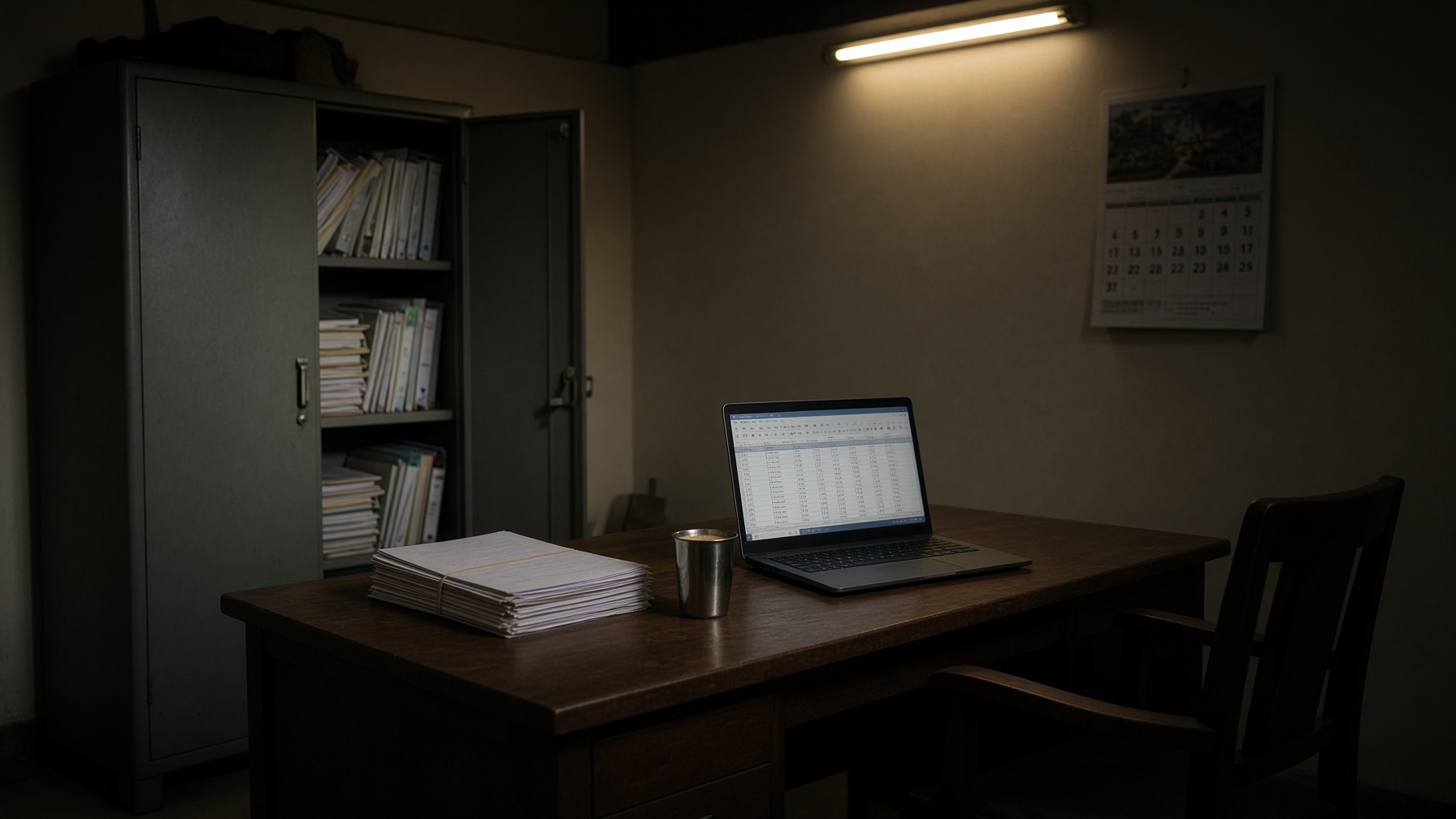
I’m writing this on the 26th. October. So there are five days, and one of them is a Sunday, and the due date itself is a Saturday. I keep looking at that and feeling slightly stupid, the way you do when a fact is ordinary and still hasn’t been said out loud in the room.
Q2 TDS. July to September, tax year 2026–27. The statements due are Form 138 for salary — what the office still calls 24Q — Form 140 for other payments to residents, the old 26Q, and Form 144 for non-residents, the old 27Q. If you also collect tax, Form 143 is on the same Saturday. The old numbers belong to periods through March 2026, and to corrections of those periods. This quarter is not one of those. Filing it as 24Q is how a perfectly prepared file comes back as the wrong file. Under the ordinary dates the due date is still 31 October. I checked the shape of the calendar and then I sat with the uncomfortable part: the office will be shut, and the portal will not. A Saturday doesn’t slide to Monday because everyone went home. If CBDT has extended it by the time you read this, good — go look at TRACES, don’t take it from me. I’m not your circular. I just don’t want anyone walking in on Monday thinking they still had the weekend.

There is a particular quiet on the Friday before a due date that falls on a weekend. The tube light is the only one still on. Somebody’s steel tumbler has a skin on the tea. The cleaner has already asked twice if she can go. And the work that is left is not the dramatic work. It is the one TAN nobody has said out loud since Wednesday.
Five days is a lot if the work is a list. It is nothing if the list is a person. “Nisha knows” is not a list. Nisha also gets sick, or she’s the one you sent to a client’s place, or she’s already carrying twelve other things because she is the one who knows. I have watched that sentence get treated like a system. It is a compliment that has been asked to do a job.
“Ho gaya” usually means someone worked hard. It does not mean the statement is in.
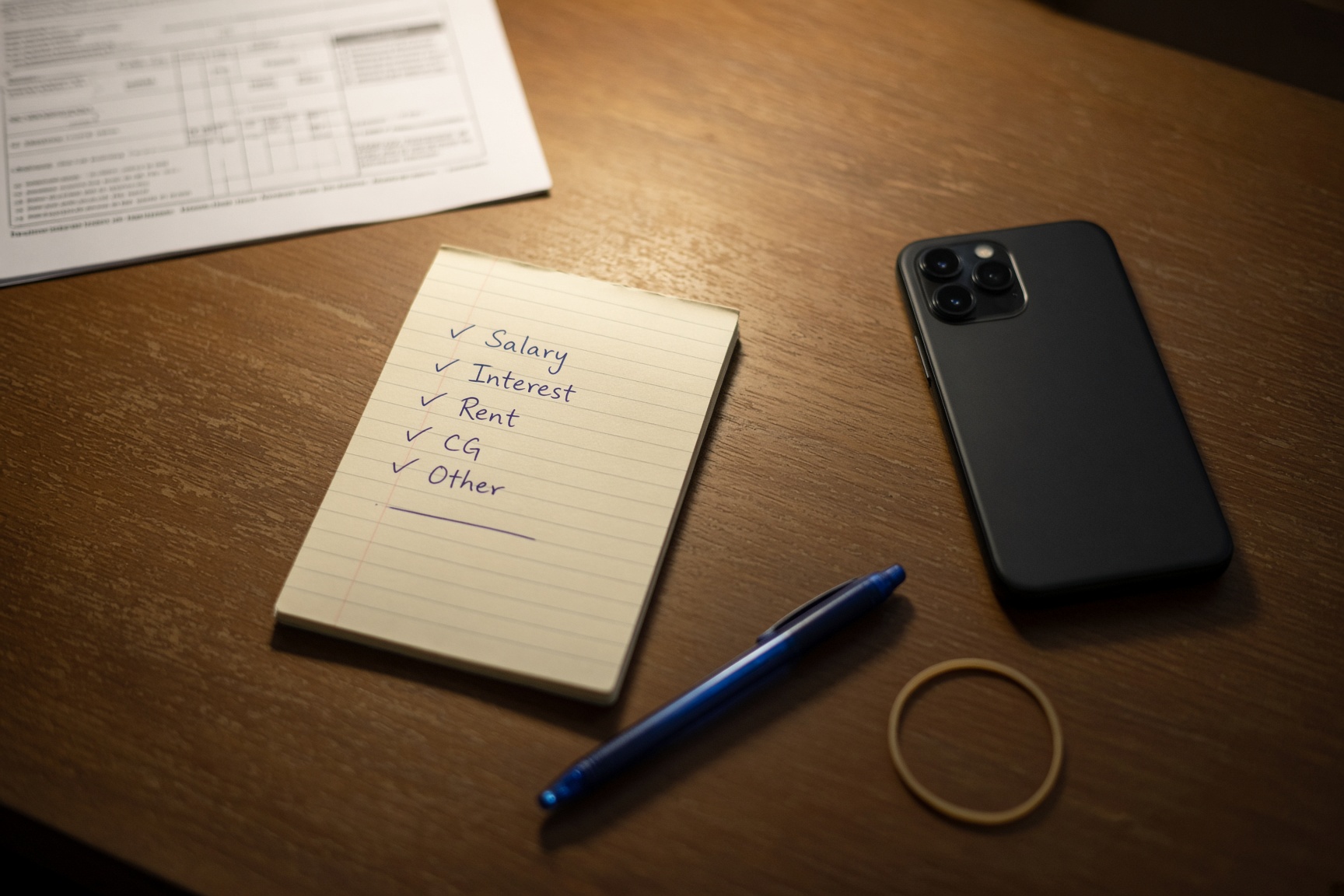
The close I trust is boring. I’m sorry. One row for each TAN. Which form. Is it prepared. Does the challan match. Is it filed. And then the number — the acknowledgement — written somewhere a second person can read without asking Nisha. I’ve started to flinch at ho gaya. It is said with relief, and the relief is real, and it is still not a number you can point at on Monday if someone asks.
Where the quarter actually breaks
Form 138 goes wrong in the annexure, not in the tax you already deposited. People will keep saying 24Q. The file for this year will not answer to that name. The money left the account in August and everyone relaxed, which is understandable, because the painful part felt finished. Then a PAN is missed. Someone joined in August and the previous employer figure never came. A correction was done “on the portal” and never downloaded, so next quarter you are guessing what you already fixed. The challan can be perfect and the statement can still be a story.
Form 140 — the old 26Q — goes wrong on the one vendor you paid gross and the section everyone assumed. It is never the big vendor. The big vendor has a file. It is the man who fixed the AC, or the consultant who invoiced once, and somebody in July said “194J, obviously” and nobody wrote it down because it was obvious. The mouth still says 194J. The statement for tax year 2026–27 wants the new section code, and I am not going to type one here and hope. Take it from TRACES. Obvious is how a section becomes a memory, and a memory is how the file gets rejected.
Form 144, which used to be 27Q, goes wrong because it was only one deductee. Rare things fall off the edge of the table. They don’t announce themselves. There is no pile. There is no argument in the office about them. There is just an absence, and an absence does not show up in a folder called Q2_final.
Tomorrow morning is not for filing
If you’re the partner, tomorrow morning is not for filing. It’s for reading which rows are still open and putting one name on each. One. The person’s job is the gap, not a fresh tour of every client “just to check.” The tour is how you are still in the office at 1am on Saturday with cold tea and a feeling that you might have missed a TAN you can’t even picture. You will remember the feeling longer than the TAN. That is the mean part.
I keep thinking about the article who saved what they could and said documents aa gaye, and meant it. They were not careless. The phone was the place the client could reach at 11:40, after the shop shut, after the kid slept. Six photos, a thumb in the corner of the fourth, the password in a different message that arrived after lunch. The article did the loyal thing. The file still isn’t a file. “Received” and “usable” got collapsed into one word somewhere, and the review at 10pm is just people discovering the difference, tired, a little sharp with each other, which they will regret and not quite apologise for.
None of that is a character flaw. It is a missing drawer. WhatsApp can still be the tap on the shoulder — bhej do, aaj chahiye — because nothing else gets a reply that fast. It cannot be where July lives. A conversation moves. A statement has to stay, with a number on it, where a second person can see it without borrowing a phone.
What I actually built, and what I didn’t
I built the deadline list in Ledgera because I got tired of watching firms rebuild a spreadsheet named TDS_Q2_final_v7 every quarter and still miss the one that wasn’t in the file. The software will not file the return for you. I don’t want it to pretend. It will not log into TRACES. It will not invent an acknowledgement. What it will do is hold the row when you are too tired to rebuild the sheet: which TAN, which form, who owns the gap, and whether “filed” has a number yet.
Around that list, the rest of the desk had to exist or the list is a lie. A document request that has a state, so “sent on WhatsApp” stops counting as received. A notice that gets a client, an owner, and a reply date the day it arrives, instead of living in the partner’s personal inbox from 2019. A vault that is the file, not the chat. Iris on the desktop, on the machine, for the questions you ask about a paper you already have — not a box you paste a client’s notice into. Fees that know a balance. None of this is a chart of last month. Last month is over. The work is the open row.
I am not going to write a number of firms, because I don’t have a number I would say out loud. We are early on purpose. The web viewer does not take a new email unless I have permitted it. The desktop on your own computer is the workbench. If that sounds slow, it is. I would rather be slow than leave the office door open so the website looks busy.
And if they extend the date — keep the list. An extension is relief. I have felt it too, that drop in the shoulders when a date moves and the Saturday night gets given back. It is not a system. The same TAN will be nobody’s again in January, and you will be rebuilding final_v8, and Nisha will know, until the day she doesn’t.
So. One row. One name. The acknowledgement written down. Drink the tea before it skins over. Don’t open the annual return today. Saturday is still the 31st.